
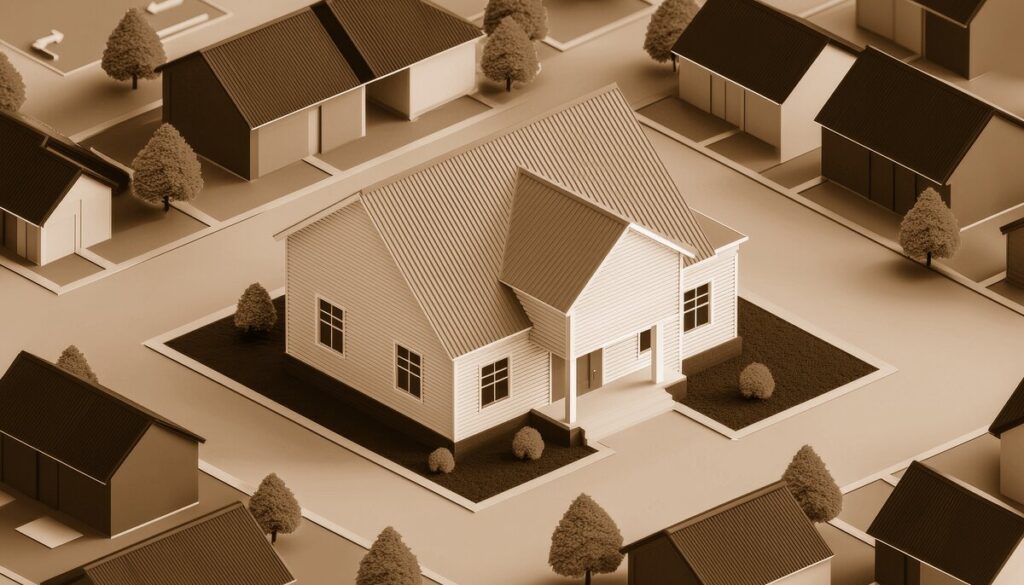
Coker Hills, nestled in the heart of Chapel Hill, is more than just a neighborhood—it’s a living tapestry of history, heritage, and community spirit. Whether you’re strolling under the shade of stately oaks on Piney Mountain Road or chatting with neighbors at Cedar Falls Park, it’s clear that Coker Hills is a special place shaped by decades of thoughtful growth and a respect for the past.
The Origins: Botanical Roots and a Family Legacy
To understand Coker Hills is to appreciate its name. The “Coker” in Coker Hills pays tribute to Dr. William Chambers Coker, a renowned botanist and the first Professor of Botany at the University of North Carolina at Chapel Hill. Dr. Coker’s passion for plant life is immortalized not only in the neighborhood but also in the famed Coker Arboretum on UNC’s campus—a lush botanical garden founded by Coker himself in 1903.
The area that would become Coker Hills was once dense woodland, part of large tracts owned and farmed by families like the Cokers in the late 19th and early 20th centuries. Revered for both their land stewardship and contributions to academia, the Coker lineage became forever intertwined with Chapel Hill’s identity.
Development and Early Days: The Making of a Neighborhood
Coker Hills began its transition from forest to family neighborhood in the 1960s, amid Chapel Hill’s postwar expansion. The landscape was carefully considered by planners who wished to preserve the rolling terrain and towering trees that define the neighborhood’s character. Unlike more uniform subdivisions, Coker Hills’
winding streets—such as Hazelwood Road, Hillsdale Drive, and Forrest Road—follow the natural contours of the land, offering leafy vistas and a sense of quiet retreat mere minutes from downtown.
Early residents were a mix of university faculty, professionals, and community leaders who valued proximity to both nature and Chapel Hill’s vibrant cultural scene. Many homes built during this era still stand, showcasing the classic brick ranch architecture of the 1960s and ‘70s, harmoniously blended with newer custom-built homes.
Notable Landmarks and Green Spaces
No tribute to Coker Hills is complete without mention of Cedar Falls Park, the green heart of the neighborhood. Established in the 1970s, Cedar Falls Park is loved by generations for its walking trails, ball fields, and well-loved playground. It is the site of countless Little League games, weekend picnics, and impromptu soccer matches—a true gathering place for the community.
Nearby, the Chapel Hill Public Library anchors the southern edge of the neighborhood along Estes Drive, serving as an intellectual and social hub not only for Coker Hills but for all of Chapel Hill. Here, the spirit of learning and discovery that Dr. Coker cherished is alive and well.
Community Spirit and Evolution
Coker Hills’ story is one of evolution balanced with preservation. The neighborhood established the Coker Hills Neighborhood Association in the 1970s, a collective effort to maintain its unique wooded character, advocate for responsible development, and build a sense of community. From annual neighborhood block parties to seasonal gardening days, these traditions keep neighbors connected across generations.
Although new homes and renovations have brought changes through the years, care is still taken to respect the mature tree canopy and ample lot sizes—a key feature that distinguishes Coker Hills from more densely packed communities. The diversity of architecture, from original mid-century ranches to thoughtfully designed contemporaries, mirrors the neighborhood’s mix of longtime residents and new arrivals.
Streets That Tell Stories
A walk through Coker Hills is a walk through history. Hazelwood Road, for instance, traces the high ridge that once delineated old property lines. Piney Mountain Road hints at the pocket of longleaf pine forest that once blanketed the hills before roads and houses appeared. At every turn, street names recall the land’s natural features and echo the voices of early families who once farmed the rolling fields.
Institutions that Shape the Future
Education forms a vital thread in Coker Hills’ heritage. The neighborhood’s proximity to Estes Hills Elementary and Guy B. Phillips Middle School makes it especially beloved by families. University of North Carolina at Chapel Hill faculty still call Coker Hills home, reinforcing its long-standing connection to the educational lifeblood of the town. The Chapel Hill Public Library is a beacon for lifelong learning, media access, and community events.
Coker Hills Today: Living History
Today, Coker Hills finds itself at a vibrant intersection of past and present. Residents cherish the quiet streets, friendliness between neighbors, and easy access to both Chapel Hill’s bustling downtown and tranquil woods. Community gardens, walking groups, and neighborhood watch programs all underscore the enduring sense of belonging.
Through careful planning, dedicated residents, and a vision that honors its roots, Coker Hills continues to thrive as a distinctive Chapel Hill neighborhood. As you drive down the gentle curves of Hillsborough Road past the arched entryway, it’s easy to see why so many people proudly call Coker Hills home. It is a place where history is not just remembered but actively lived, in the laughter of children playing under old oak trees, in the spirited debates at the library, and in the seasonal block parties that bring everyone together.
Whether you’re a visitor or a longtime resident, Coker Hills invites you to savor its quiet beauty, rich history, and vibrant, neighborly spirit—a true Chapel Hill treasure.